By Jakes Joubert, CEO, Red Energy
A few months ago, I got a call from a business owner in Limpopo. He’d had a solar system installed two years ago by a company that no longer existed in quite the same form. They’d rebranded, lost a few key people and also restructured their support operation. He had a system that was underperforming and nobody he could hold accountable for it.
He found us through a referral. We assessed the system, identified the problems, and gave him our honest view of what could be fixed and what couldn’t. I must add that it was a difficult conversation purely because the customer was frustrated that it wasn’t done right the first time around.
What stuck with me afterwards was how avoidable the situation was – not the technical problems, those were fixable, but the ‘being-stranded-without-support’ part. That was entirely predictable from the questions he hadn’t asked before he signed with the other partner.
I wrote this article because of that conversation, and the ones before it. In 16 years of doing this, I’ve seen enough of these situations to know that buyers in this industry are not asking the right questions – they’re evaluating proposals on price, on panel count, and on how good the inverter specs look on paper. All of those things matter but none of them are the questions that determine what your experience looks like in year three.
Here are the 6 questions I’d ask if I were buying a commercial solar system, and what I’d be listening for in the answers:
1. Can I speak to clients whose systems have been running for three or more years?
This is the first question, and the most important one. Any solar company worth talking to has a portfolio of completed installations. The question is what those installations look like when the novelty has worn off, and the real operating relationship has settled in.
A system that was installed six months ago tells you very little. It’s in warranty and the installer is still paying attention. Any teething problems have been addressed. Everyone’s on their best behaviour.
A system that’s been running for three years tells you what the company is actually like. Whether the monitoring was set up and is still being reviewed. Whether the support team still picks up the phone. Whether the performance has held up or quietly degraded. Whether the client would choose the same installer again.
Ask for three names. Clients with three-plus years of operating history, and then call them. Don’t email – call. The conversation you have is more revealing than any reference letter.
If the installer can’t produce three names, or the references they give you are all recent, notice that.
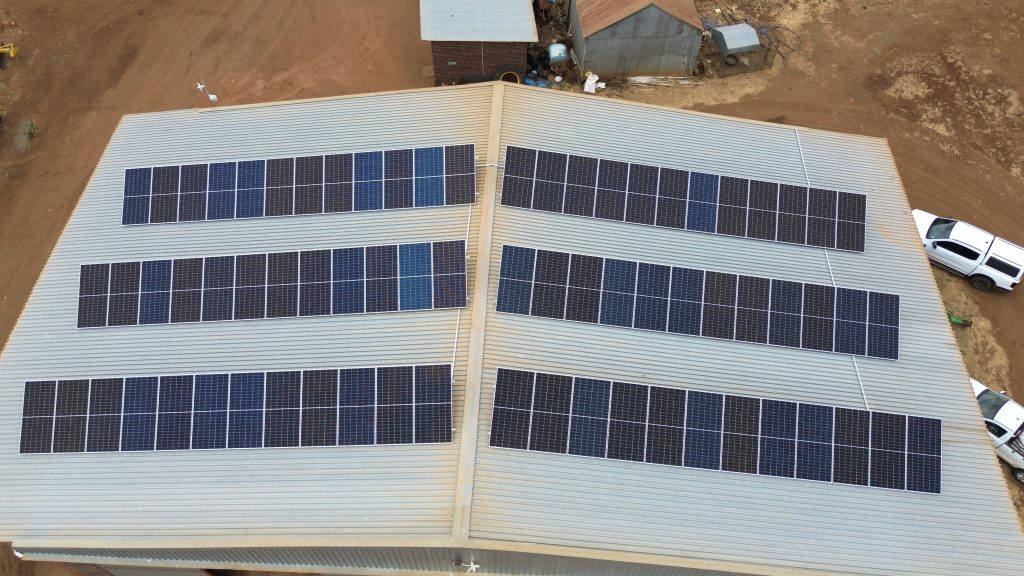
Red Energy Commercial Solar
- Who handles support after installation, and how fast do they actually respond?
“We have a dedicated after-sales team” is not an answer.
The answer you’re looking for is specific. Who is the team – is it the same people who were involved in the installation, or is it a separate support function with no context about your system? What are the documented response times? Is there a support contract, and what are its terms?
Ask what happens if something needs physical attention. Is there a local team? What’s the call-out process? Who decides whether something is a warranty claim?
The reason I push on this: after-sales service is a cost centre. It doesn’t generate new revenue. Companies that are optimising for growth will underfund it relative to their sales and installation capacity. You find out when you need them.
The answer to this question should be specific, confident, and verifiable. Vague is not reassuring.
- Is your installation team in-house or subcontracted?
This one matters more than most people realise.
Subcontracted installation teams are not inherently bad. Good subcontractors exist, but the accountability structure is different. When the job is done, the subcontractor moves on to the next one – the relationship with your specific installation is over. If something needs attention six months later, the company has to reconstruct context they don’t naturally carry.
In-house teams build institutional knowledge about how they install things. They develop standards. They’re accountable to the company in an ongoing way that a project-by-project subcontractor is not. When your system has a question that requires someone who knows the installation, there’s someone who knows the installation.
I’ve run Red Energy with an in-house team since the beginning and there’s a reason why our customers keep coming back to us for upgrades.
Ask the question. Listen carefully to the answer.
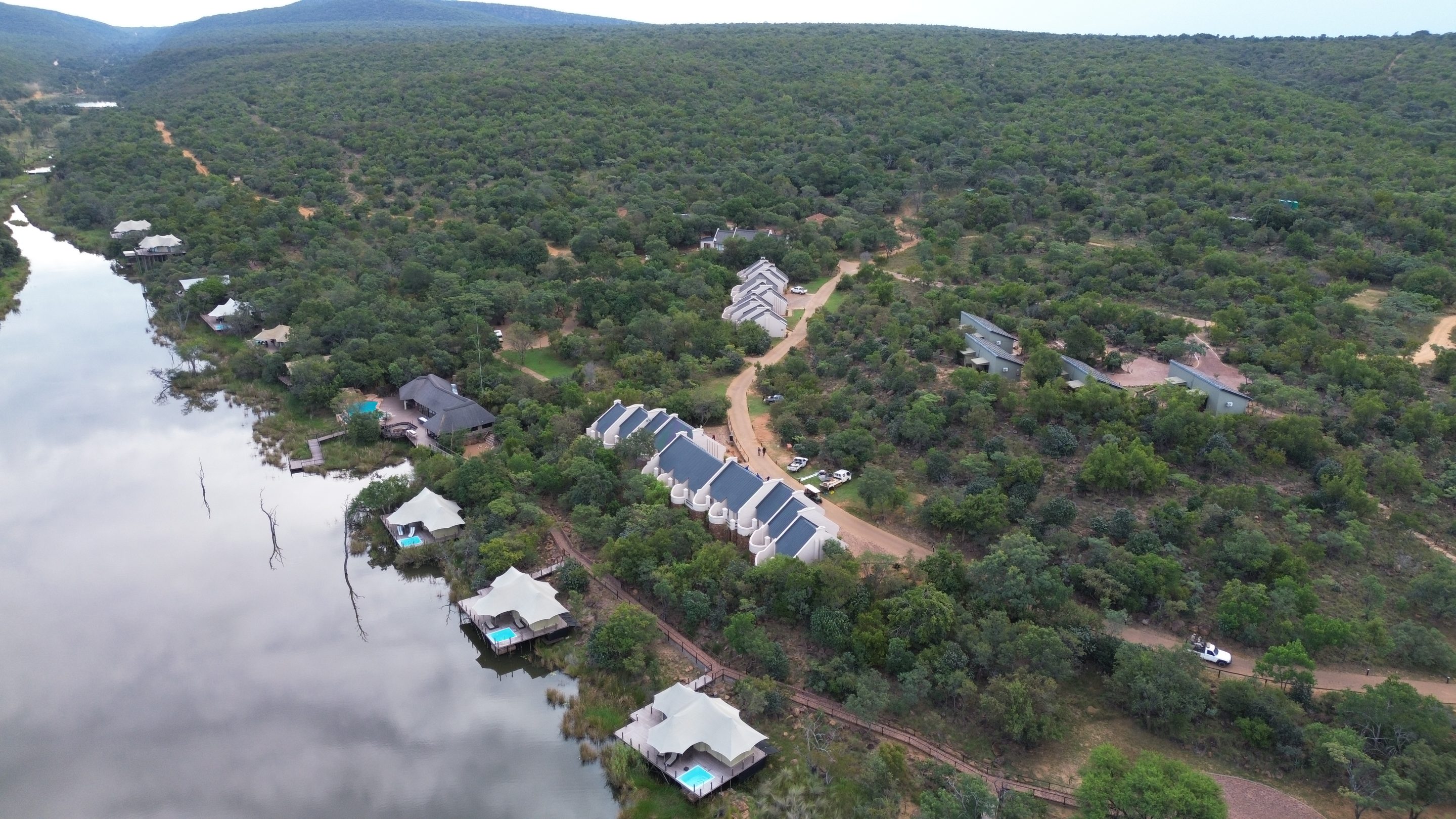
Hippo Lakes
- Do you visit your suppliers’ factories, or do you just order from a catalogue?
This is the question that separates companies that do real component verification from companies that resell whatever is available.
I’ve been to factories in China. I’ve walked production lines, watched quality control processes happen – or not happen – in real time. I’ve had conversations with engineers about component sourcing at a level that doesn’t happen over a Zoom call with a sales rep.
What you find on a factory floor is different from what a specification sheet tells you. The consistency of the manufacturing process or whether the components going into the product match what’s described in the documentation. How the quality control is actually being done versus how it’s being documented. Whether the after-sales infrastructure for your market is resourced the way it’s described.
We’ve walked away from products after factory visits. Unfortunately, the products that looked competitive on paper, had issues we only found in person.
Most solar companies in South Africa are specifying products based on distributor relationships and spec sheet comparisons. That’s fine for residential systems where the stakes are lower. For commercial and industrial installations where the system is running critical business infrastructure for 20 years, it’s not enough.
Ask the question. If the answer is “we work with trusted distributors,” you know what that means.
- What does the warranty actually cover, and who administers it locally?
Read the warranty document – not the summary. The actual document!
What you’re looking for:
- What specific failure modes are covered
- What conditions void the warranty
- What the claims process is
- Who administers it – the installer, the local distributor, or the manufacturer directly?
- What the response time commitment is on a valid claim. Whether there’s a local entity with actual authority to resolve a claim or whether it routes through an offshore process.
I’ve seen warranties that look comprehensive and have a claims process that effectively makes them worthless. The following red flags are what I’ve noticed:
- Requires photographic evidence of specific failure modes
- Claims must be submitted within 30 days
- Assessment by a manufacturer-appointed technician who has a three-month lead time.
By the time you’ve navigated the full process, you’ve replaced the component yourself.
The question to ask the installer directly: “Can you walk me through what happens if this specific component fails in year four?” If they can answer that clearly and confidently, they know their product. If they defer to the distributor’s documentation, you’re finding out something important.
- What happens to my support if your company restructures?
This one feels like a pessimistic question… ask it anyway.
The solar industry in South Africa grew very fast during the 2022/2023 load shedding peak. A significant number of companies that entered during that period were built for the growth cycle, not for the long-term service model. Some of them have already restructured, rebranded, or quietly wound down their support operations as the market normalised.
The client I mentioned at the start of this piece was not unusual. I’ve heard similar stories multiple times.
The question forces an honest conversation about what the support model actually is:
- Is it dependent on specific people who might leave?
- Is it underwritten by the manufacturer in a way that survives installer changes?
- Is there a contractual commitment that would give you recourse if the company’s service model changed?
You probably won’t get a fully satisfying answer, but the quality of the answer tells you something about how seriously the company has thought about its long-term obligations to installed clients.
Why I’m comfortable with these questions
We get asked versions of all six of these. Sometimes directly, sometimes indirectly, and sometimes by clients who’ve been through a bad experience and are doing proper diligence the second time around.
I don’t find them threatening, but more clarifying. They’re the questions a serious buyer should ask, and they’re the questions a serious installer should be able to answer without flinching.
I started Red Energy in 2008 when the South African solar market was essentially theoretical. We’ve built the business on the assumption that the clients who ask hard questions are the clients worth winning. The ones who only evaluate on price are the ones who end up calling us two years later to fix someone else’s work.
Ask the questions. The right installer will thank you for it.
**Red Energy installs and maintains commercial solar systems across South Africa, including Gauteng, Limpopo, the North West, and the Northern Cape
Have questions? Let’s talk: