By Jakes Joubert, CEO of Red Energy
Farming has always been about resource management. Whether it’s water, feed, or fertiliser, every input affects your bottom-line. Electricity is no different. And in today’s climate – both literal and economic – solar power isn’t just a smart idea for farms. It’s becoming essential.
However, not all solar systems are created equal. If you’re running an agri-operation in South Africa, here’s what you need to consider before making the switch.
Your Load Profile Matters
Agribusinesses typically have seasonal loads and time-of-day peaks that differ from standard commercial operations. Irrigation pumps, refrigeration, water treatment, lighting for sheds or barns, and heavy-duty machinery all require specific planning.
This is why a farm’s solar system can’t be copy-pasted from a small business template. It needs to match your actual usage patterns.
Location, Location
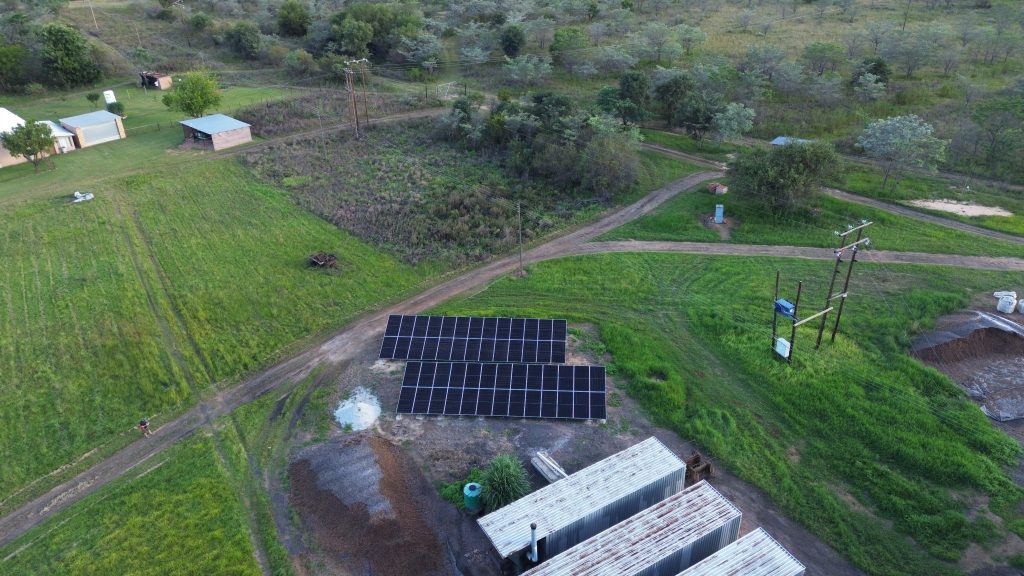
Most farms have one thing going for them right away: space. Rooftop, land-mounted, or shed-based systems can be easily deployed, and because there’s usually minimal shading, they perform efficiently.
Your geographic location will influence system size and battery storage needs. A mixed system with seasonal flexibility is often the best option.
Solar Can Stabilise and Reduce Operating Costs
Let’s talk rands and cents. Electricity is one of the fastest-rising operational expenses in farming. Running irrigation systems during peak hours or relying on diesel-powered generators during load shedding or power outages is no longer affordable – and places unnecessary stress on farm owners when crisis strikes.
With the right solar system, farms can:
- Reduce reliance on Eskom
- Cut diesel consumption
- Lock in lower, predictable electricity rates
- Ensure uptime during critical processes like harvesting or milking
What Type of System Do You Need?
- Grid-tied with no storage
Good for reducing daytime electricity use, but if the grid goes down, you go down with it.
- Grid-tied with battery backup
The most popular option. Offers reliability and flexibility while keeping grid access as a fallback.
What About the Costs?
One of the biggest reasons many farmers delay going solar is the perceived capital expense. But with Red Energy’s Power Purchase Agreement (PPA) model, you don’t need to put up the capital. We design, install, and maintain the system. You only pay for the power you use at a rate cheaper than Eskom.
This model works especially well for farms with high usage and limited upfront budget.
An Example: Margeral Agricultural Holdings
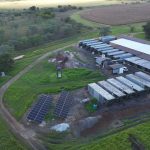
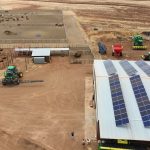
We’ve partnered with Margeral Agricultural Holdings to install a multi-site, hybrid solar system on their Limpopo farm.
Here’s what we delivered:
- 374kW hybrid inverters
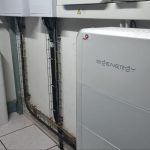
- 535kWh of battery storage
- 275kWp of solar panels across five locations
The result is operational continuity even during power failures, long-term cost savings, and more sustainable farming.
You Grow… Your System Should Too!
If you’ve already installed a solar system, ask yourself: can it keep up with your growth? Has your usage changed? Are you relying more on generators again?
Farms evolve., and so should your energy strategy evolve with them.
Our team has worked with farms across South Africa to install, upgrade, and fine-tune solar systems that support agri-productivity, reduce energy volatility, and future-proof operations.
There’s no one-size-fits-all approach in farming, and there shouldn’t be one in solar either.
Ready to Explore Solar for Your Business?
We’ll map your current usage, evaluate your site, and see what’s truly possible.