Type of installation: Grid-Tie
Location: Germiston, Gauteng
There are many aspects to their product remaining the best, but without electricity, they cannot continue production. And with the wrong back-up power supply, their production cost would soar.

But what if they can reduce production costs without compromising on production time? By this, we mean paying less for electricity.
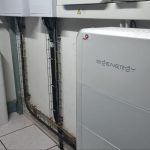
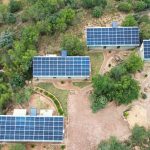
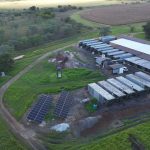
Their business hours coincide with daylight hours. This meant that a grid-tie system was the perfect option. A battery back-up would be nice but was outside the scope of their needs and would increase the installation cost. Therefore, we installed a 60kWp system to support all their operations.
The financial maths of a grid-tie system is simple. Use the peak generation capacity per year of the solar power system and compare the installation cost with the annual cost of the same amount of electricity. The break-even point is usually in just over two years if you consume all the generated electricity.
Johannesburg Timber and Box soon realised that going solar was the logical step. Initially, they only wanted to get through load shedding. As a bonus, they reduced their cost of electricity… permanently. This enabled them to keep their prices competitive.
Solar power is about more than just one business moving forward. It is about sustaining the whole business sector. So… how does reducing your operational costs sound?
The moment Johannesburg Timber and Box switched to solar power; they helped other businesses to remain open. Their product is central to the safe storage and delivery of the products of so many national businesses. One excellent business decision affects a whole network.
Solar power is about more than just one business moving forward. It is about sustaining the whole business sector. So… how does reducing your operational costs sound?