Type of Installation: Commercial Hybrid
Location: Bela-Bela, Limpopo
Sustainable farming is about making hay while the sun shines. The cost and unreliability of the national electricity supply threatened the sustainability of their operations.
One thing we noticed about farmers is that they don’t mess around. Sunshine is just as valuable as water. Sunshine means growth. Therefore, they don’t waste it.
Margeral Agricultural Holdings was no different.
Profitability in any agricultural set-up is often based on quantity and profit margins. Unreliable electricity and excessive price increases threaten these margins. Imagine paying 600% more for a steak over a couple of years. Who is going to eat beef at that price?
The agricultural industry is under enormous pressure because the electricity cost is becoming a bigger portion of overall operational costs.
While the average person easily absorbs the gradual increase, and undefined portion of their electricity cost to total monthly cost. For large-scale operations like Margeral Agricultural Holdings, it is undeniable.
Power failures that interrupt operations also mean that a portion of “growth” is lost.
While generators have a lower initial capital investment, the operational cost skyrockets especially with ever-increasing fuel increases, and disqualifies it as an alternative. That’s why solar power ticked all the right boxes.
By going solar, Margeral Agricultural Holdings could start operating independently from the grid, and keep operations up, even during power failures for up to 4 hours. Not only could they retain optimal productivity, but they effectively reduced their operational costs.
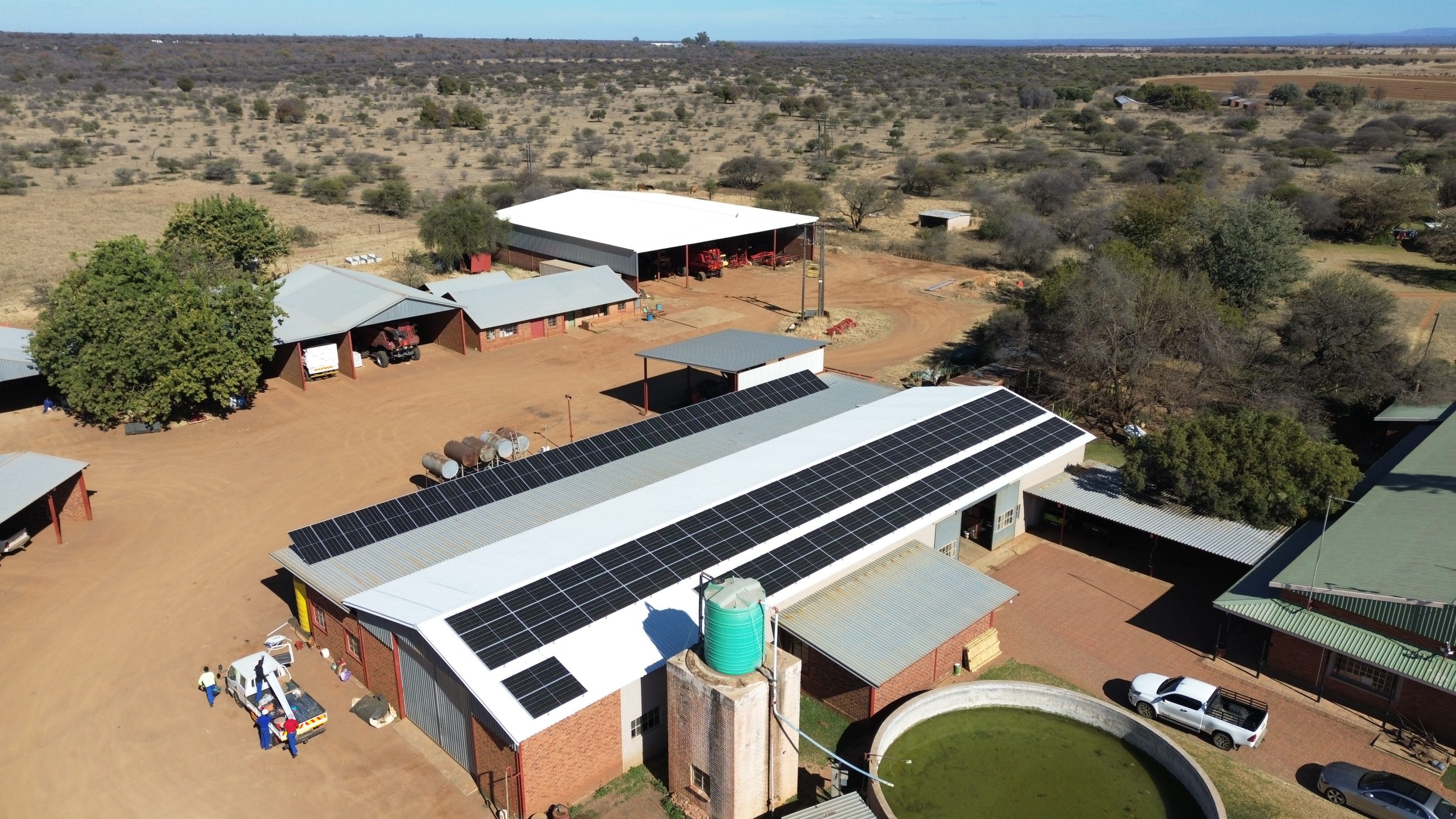
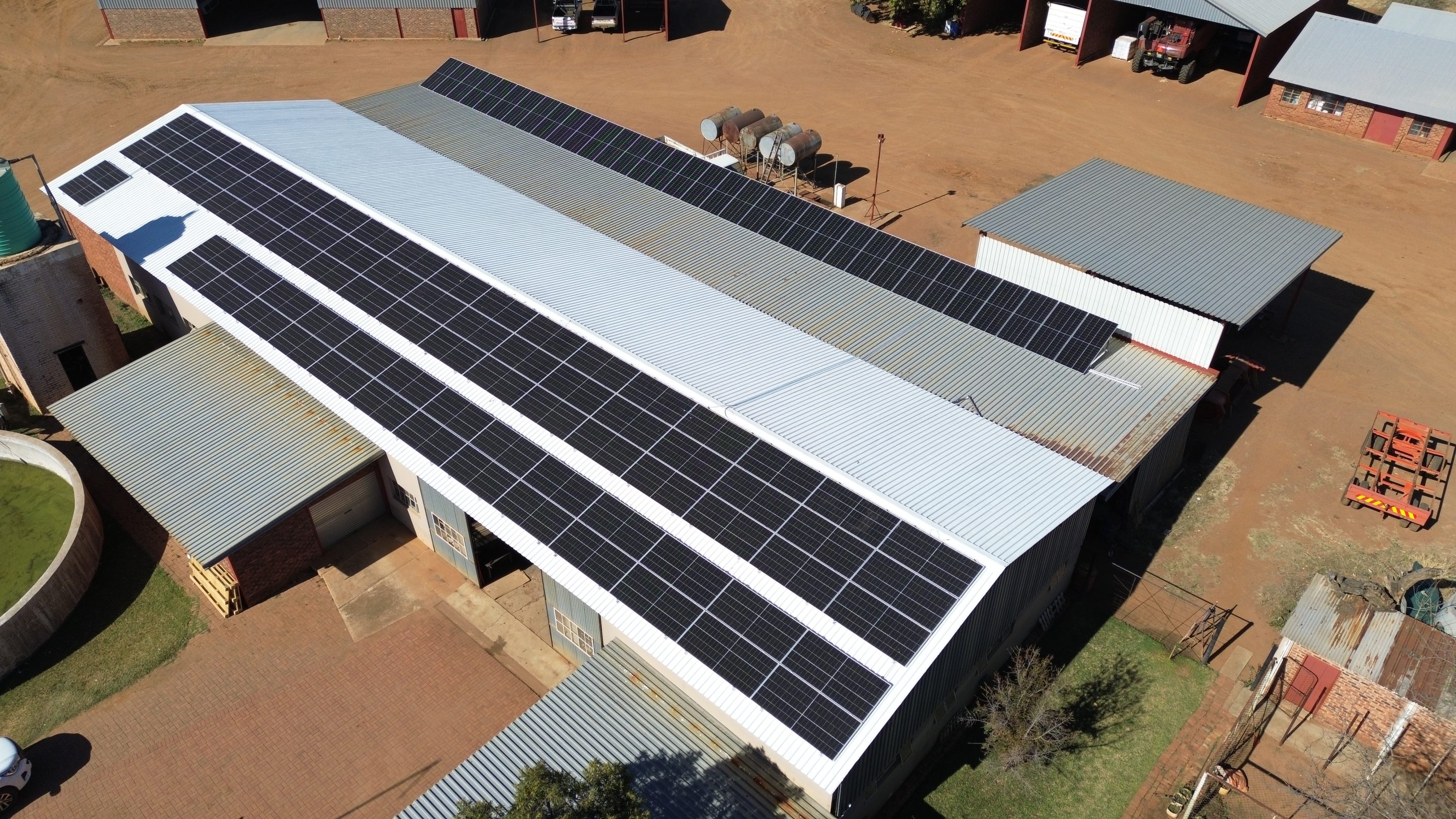
Here’s what we installed at 5 different locations on the farm:
- 374 kW Hybrid Inverters
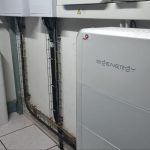
- 535 kWh Battery Back-up
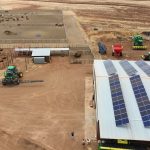
- 275 kWp Solar Panels
The hybrid system (from the grid) was still available as a back-up – should they need it. Solar power became their primary source of electricity.
The installed solar power systems supported their full operations, and more, at a lower long-term cost. Margeral Agricultural Holdings finally became more sustainable – and less reliant on the grid to keep their business running.