By Jakes Joubert, CEO of Red Energy
Let’s set the record straight: going completely off-grid isn’t only about putting a few solar panels on the roof and hoping for the best.
It’s a bold move… and for the right kind of business, it’s 100% achievable but it also takes proper planning, realistic expectations, and the right system design to truly cut the cord from Eskom.
What Does “Off-Grid” Actually Mean?
Off-grid means total energy independence. Your business is no longer connected to the municipal or Eskom grid, and you generate, store, and manage 100% of your power on your own terms.
But in practice, we often see businesses using the term when they actually mean:
- Grid-tied with solar
- Grid-tied with solar + battery backup
- Hybrid systems with minimal Eskom reliance
True off-grid setups are less common, but they’re growing fast, especially in industries where downtime is not an option, for instance:
- The tourism industry where a remote lodge cannot afford to have their guests in the dark or with loud generators buzzing in the background.
- In a retirement estate where they cannot afford frail care and main services to be disrupted or disconnected.
- The manufacturing industry where losses can total in the thousands every time the production line stops unexpectedly.
Is Going Off-Grid Even Realistic?
Yes, if you meet a few key criteria:
- You understand your energy load profile in detail and your Energy Consumption is more during the day than in the night.
2. Your site has enough space (roof or land) for sufficient solar production
3. You’re willing to invest in high-capacity battery storage
4. You’re looking for long-term savings and energy independence
We’ve helped off-grid projects succeed in:
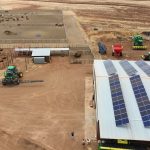
- Game lodges (like Pitse Lodge) where grid access is limited or unreliable
- Remote farming operations with variable load and irrigation needs (such as Hippo Lodge)
- Industrial clients wanting full control over their power (such as Moriah Metals)
What You’ll Need to Make It Happen
- A properly sized solar array
Too small, and you won’t generate enough energy. Too big without enough storage, and you’ll waste valuable generation.
- Sufficient battery storage
This is where many off-grid dreams fall short. You need enough capacity to carry your business through night-time, cloudy days, and load spikes.
- Intelligent energy management
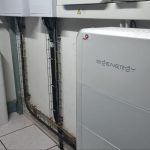
AI-powered systems like Sigenergy’s SigenStor make off-grid life possible by optimising when and how energy is generated, stored, and used.
- A backup plan
Even the best off-grid systems can benefit from a secondary safety net, whether it’s a generator (used sparingly) or demand-limiting strategies.
Benefits of Going Off-Grid
- No load shedding. Ever.
- No surprises from tariff increases.
- Full energy independence = full control.
- Brand reputation boost: clean, green, and self-sustaining.
- Long-term ROI – especially when Eskom keeps climbing.
So… Should You Do It?
If your business is in a rural, high-cost, or unreliable grid area, absolutely. If you’ve got the space, the appetite for smart energy tech, and a long-term mindset, yes.
But even if full off-grid doesn’t make sense for your operation, we can still design a hybrid system that gives you 70-90% independence, major savings, and no stress during blackouts.
We’re not in the business of overselling. If going off-grid won’t work for you, we’ll say so. But if it can, we’ll help you do it properly.
Ready to Explore Off-Grid for Your Business?
We’ll map your current usage, evaluate your site, and see what’s truly possible.